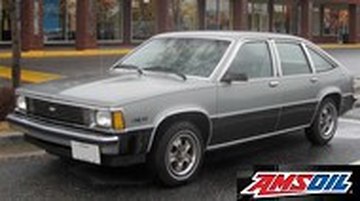
Lubrication Maintenance for the 1981 Chevrolet CITATION 2.5L
Maintaining the engine lubrication system in a vehicle like the 1981 Chevrolet CITATION with its 2.5L engine requires consistent attention to fluid condition and component integrity. Proper lubrication is fundamental to managing the internal environment of the engine, ensuring that moving parts operate with minimal friction and that heat is effectively managed during operation.
Monitoring Fluid Condition and Potential Leaks
One of the most effective ways to monitor the health of the 2.5L engine is through regular visual inspections of the lubrication system. Owners should look for any signs of fluid seepage or active leaks around the engine block and associated sealing surfaces. Even small amounts of oil appearing on the exterior of the engine can be an early indicator that a gasket or seal may be losing its ability to contain the lubricant.
When performing these inspections, it is helpful to check for:
- Evidence of fluid weeping around various engine junctions.
- Accumulations of grime or dirt that often cling to areas where oil has seeped out.
- The presence of any unusual odors that might suggest oil is contacting warmer exterior components.
If you notice a significant change in the amount of oil required between service intervals, this warrants further investigation. While changes in lubricant consumption can be caused by many different factors, identifying the cause early can prevent more extensive mechanical issues later on.
Managing Engine Longevity Through Consistent Service
For an engine from the early 1980s, establishing a reliable maintenance baseline is essential for long-term ownership. If you do not have access to a complete history of previous repairs or service intervals, your first priority should be to document all current findings and subsequent maintenance actions. This creates a roadmap for future care and helps you identify if the vehicle's needs are changing as it ages.
Effective long-term maintenance involves distinguishing between routine preventive tasks and addressing active concerns. Rather than following a generic schedule, focus on the actual condition of the engine components. For example, inspecting the condition of hoses or electrical connections can provide insight into how well the vehicle has been cared for in the past. If you find evidence of previous neglect, such as heavily contaminated oil or significant sludge buildup, it may be necessary to be more vigilant with your inspection intervals during the first several months of ownership.
Observing Potential Warning Signs
While many lubrication issues are caught through routine visual checks, some symptoms may manifest while the vehicle is in use. It is important to remain observant of how the engine behaves under different operating conditions. Any sudden changes in performance or unusual mechanical sounds should be investigated promptly.
Potential indicators that require attention include:
- Changes in the appearance or color of the oil when checked via a dipstick, which might suggest contamination.
- The illumination of any dashboard warning indicators related to engine operation.
- Unusual smoke patterns from the exhaust, which can sometimes be associated with internal lubrication issues.
It is vital to remember that these symptoms are not definitive diagnoses. A single symptom, such as a change in noise or an odor, can be linked to several different mechanical causes. Professional diagnostic tools and expertise are often required to pinpoint the exact source of a problem.
Practical Inspection of Engine Accessories
Beyond the oil itself, the components that support engine operation should be part of a regular inspection routine. If equipped, accessible drive belts should be examined for signs of wear such as cracking, glazing, or fraying. Similarly, if the vehicle is equipped with various cooling hoses, these should be checked for stiffness, bulging, or visible leaks. Maintaining the integrity of these peripheral systems helps ensure that the engine operates within its intended thermal parameters, which in turn supports the stability of the engine oil.
Checking electrical connections and wiring harnesses near the engine is also a prudent step. Corroded or loose connections can lead to erratic sensor readings or other electrical issues that might complicate the diagnosis of mechanical symptoms.
Prioritizing Maintenance Tasks
As vehicles age, owners often face decisions regarding which maintenance tasks to prioritize. The most effective approach is to address active concerns first—such as an identified leak or a noticeable change in fluid level—before moving on to purely preventive measures. By addressing immediate issues, you stabilize the engine's current operating condition.
Once the immediate needs are met, focus on consistent monitoring. This includes keeping detailed records of every oil change, filter replacement, and any other service performed. Having a clear record allows you to see patterns, such as whether certain components require more frequent attention than others, allowing for more informed decision-making in the future.
Buying Engine Oil for your 1981 Chevrolet CITATION 2.5L
When it is time to replenish your engine's lubricant, the most important step is to ensure the product matches the specific requirements of your engine. For this 1981 Chevrolet CITATION 2.5L, you should not rely on general automotive knowledge or assumptions based on the vehicle's age to select a grade.
Instead, match the engine oil to the application-specific viscosity information already displayed on this webpage. When selecting a product, consider the following practical steps:
- Verify that the oil meets the appropriate API certification listed in your documentation.
- Review the product label carefully to ensure it aligns with the viscosity requirements shown above.
- Decide between conventional, synthetic blend, or full synthetic formulations based on your specific maintenance goals and the guidance provided in the application information.
- If you are managing an engine with higher mileage, you may consider high-mileage formulations that contain additives intended for use in aging engines.
Always confirm that the oil you purchase is compatible with the specific needs of your 2.5L engine as detailed in the technical specifications provided on this page.